
You’ve built something incredible. Your business in Raleigh has weathered storms, celebrated wins, and become a cornerstone of your life. Now you’re thinking about selling: but here’s the thing: most business owners leave serious money on the table because they don’t properly prepare for valuation.
The difference between a good sale and a great one often comes down to five critical steps. Miss these, and you could be looking at a sale price that’s 20-40% below what your business is actually worth.
Why Business Valuation in Raleigh NC Matters More Than Ever
Raleigh’s business market is hot right now. The Research Triangle continues attracting investors, and local businesses are catching attention from buyers who understand the area’s growth potential. But here’s what most sellers don’t realize: a strong market doesn’t automatically translate to a strong sale price for your specific business.
Your valuation determines everything. It’s not just a number: it’s the foundation of your negotiating power, your retirement planning, and your legacy.
The businesses that command top dollar aren’t necessarily the biggest or oldest. They’re the ones that present themselves professionally, with clear documentation and strategic preparation.

Step 1: Get Your Financial House in Perfect Order
Think your QuickBooks files and tax returns are enough? Think again.
Serious buyers and their advisors will dig deep into your financials. They want to see at least five years of detailed financial statements, tax returns, and depreciation schedules. But that’s just the starting point.
You also need industry-specific metrics that tell your business’s real story. If you’re in retail, show customer acquisition costs and lifetime value. Manufacturing? Include production metrics and capacity utilization. Service business? Document client retention rates and revenue per employee.
Here’s what happens when your documentation is incomplete: valuators make assumptions. And those assumptions are rarely in your favor.
Pro tip: Start organizing your financials at least six months before you plan to sell. Missing documents, unclear transactions, or inconsistent record-keeping can tank your valuation faster than declining revenue.
Step 2: Understand How Valuators Actually Value Your Business
Most business owners think valuation is just about profit margins. It’s not that simple.
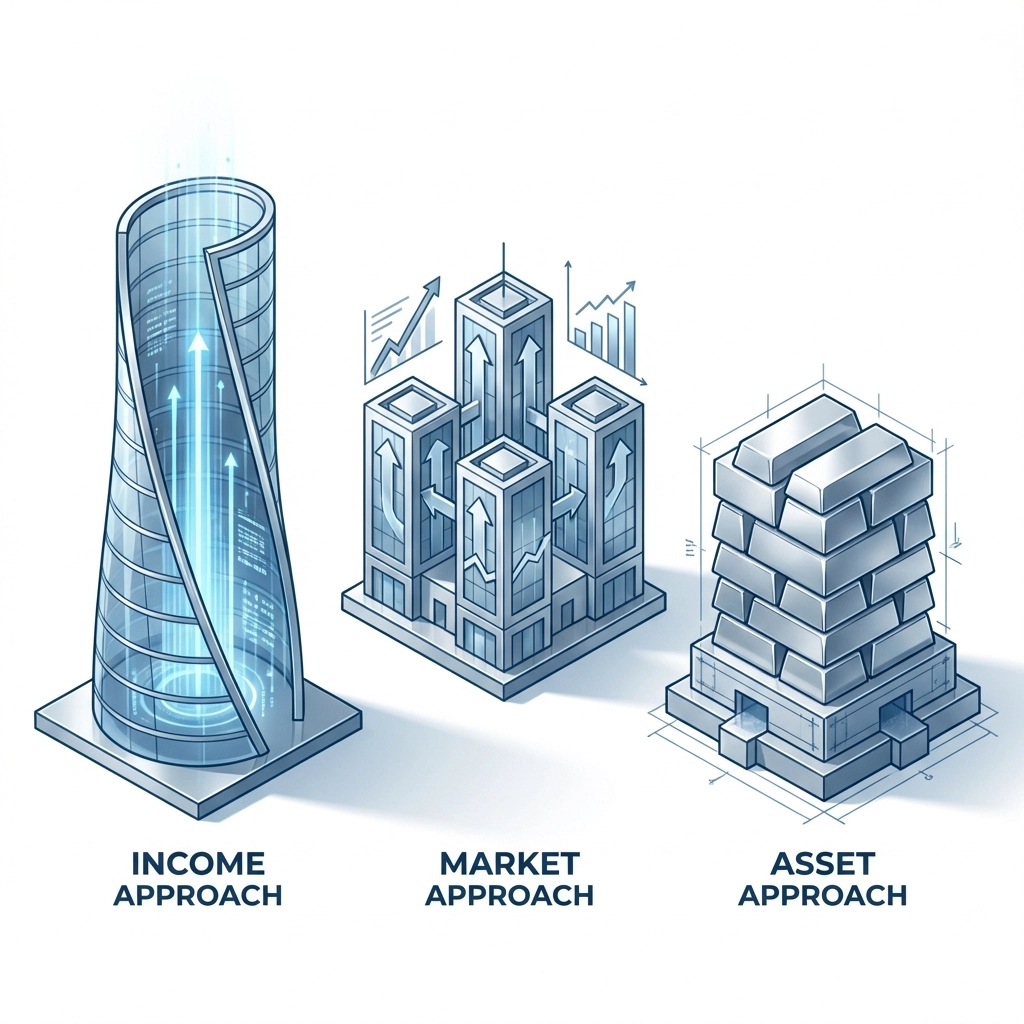
Professional valuators use three distinct approaches, and understanding them gives you serious leverage:
The Income Approach looks at your future earning potential. This method converts your projected cash flow into today’s dollars. If your business shows consistent growth and predictable revenue streams, this approach often yields the highest valuation.
The Market Approach compares your business to similar companies that have sold recently. This is where understanding Raleigh’s specific market conditions becomes crucial. Local business brokers have access to regional transaction data that can significantly impact your valuation.
The Asset Approach evaluates what your business owns minus what it owes. This method is often used for asset-heavy businesses or when the other approaches don’t apply.
Here’s the key: different approaches will yield different values for your business. Smart sellers position their companies to shine under the method that works best for their situation.
Step 3: Strengthen Your Value Drivers Before Valuation
Your business value isn’t just about the numbers on your P&L statement. Buyers look at what drives those numbers: and whether they can sustain or improve them after you’re gone.
Customer Base Diversification: If your top three customers represent 60% of your revenue, that’s a red flag. Work on spreading risk across more clients before seeking valuation.
Management Structure: Can your business run without you? If you’re the only person who knows how to do critical tasks, buyers see risk. Document processes and cross-train staff.
Competitive Position: What makes your business hard to replicate? Strong vendor relationships, exclusive contracts, or unique market position all boost valuation.
Growth Trajectory: Declining businesses sell for asset value. Growing businesses sell for multiple premiums. If your revenue has been flat, identify growth opportunities before valuation.
Operational Systems: Buyers love businesses that run like clockwork. Document your processes, automate where possible, and show consistent operational performance.
The businesses that command premium valuations have one thing in common: they’ve eliminated single points of failure and demonstrated sustainable competitive advantages.
Step 4: Eliminate Valuation Killers Through Accurate Documentation
Small mistakes in documentation can cost you big money. Here’s what trips up most sellers:
Mixed Personal and Business Expenses: Using the company credit card for personal purchases doesn’t just complicate taxes: it makes buyers question your financial management. Clean this up immediately.
Incomplete Contracts: Verbal agreements and handshake deals don’t add value. Get everything in writing, including customer contracts, vendor agreements, and employee terms.
Unclear Ownership Structure: If there’s any confusion about who owns what percentage of the business, resolve it before valuation. Legal clouds kill deals.
Missing Licenses and Permits: Ensure all business licenses, permits, and certifications are current and transferable. Compliance issues can torpedo negotiations.
During the valuation process, review every piece of information your analyst collects. Misunderstood details can reduce your valuation, and once a professional opinion is issued, it’s difficult to change.

Step 5: Choose the Right Valuation Professional in Raleigh
Not all business valuators are created equal. You need someone who understands both your industry and the Raleigh market specifically.
Look for these qualifications:
Local Market Knowledge: Raleigh’s business environment has unique characteristics. Your valuator should understand local market conditions, competitor landscape, and regional economic factors.
Industry Experience: A valuator who’s never worked in your industry will miss nuances that could impact value. Ask for examples of similar business valuations they’ve completed.
Professional Credentials: Look for designations like ASA (American Society of Appraisers) or CPA/ABV (Certified Public Accountant/Accredited in Business Valuation).
Access to Relevant Data: Professional valuators maintain databases of comparable private company transactions. This data is crucial for accurate market-based valuations.
Clear Communication: You should understand their methodology and assumptions. If a valuator can’t explain their approach in plain English, find someone else.
The right valuation professional becomes your advocate throughout the sale process. They’ll help you understand not just what your business is worth today, but what you can do to increase its value.
Common Valuation Mistakes That Cost Raleigh Sellers
Timing the Market Wrong: Some owners wait for “perfect” conditions to sell. Others rush into valuations when their business is having a down year. Market timing matters, but business performance matters more.
DIY Valuations: Online calculators and rule-of-thumb multiples don’t account for your business’s unique characteristics. Professional valuation pays for itself through more accurate pricing and stronger negotiating position.
Ignoring Intangible Assets: Your customer relationships, brand reputation, and proprietary processes have value. Make sure they’re properly documented and valued.
Focusing Only on Financial Metrics: Buyers evaluate risk as much as return. Addressing operational risks can be as valuable as improving profit margins.
Your Next Steps
Business valuation in Raleigh NC isn’t just about determining a sale price: it’s about maximizing the value you’ve built over years of hard work.
The five steps outlined here aren’t just suggestions. They’re the difference between a mediocre exit and a life-changing sale.
Start with your financial documentation today. Organize five years of records and identify gaps that need filling. Then begin strengthening your value drivers while you research qualified valuation professionals in the Raleigh area.
Remember: the best time to prepare for sale is well before you’re ready to sell. The businesses that command premium valuations are the ones that have been systematically building value for years.
Your business represents more than revenue and profit: it’s your life’s work. Make sure you get every dollar it’s worth.
Looking for guidance through the valuation and sale process? The experienced team at VR Business Brokers has helped hundreds of Raleigh business owners maximize their sale prices through strategic preparation and expert market knowledge.